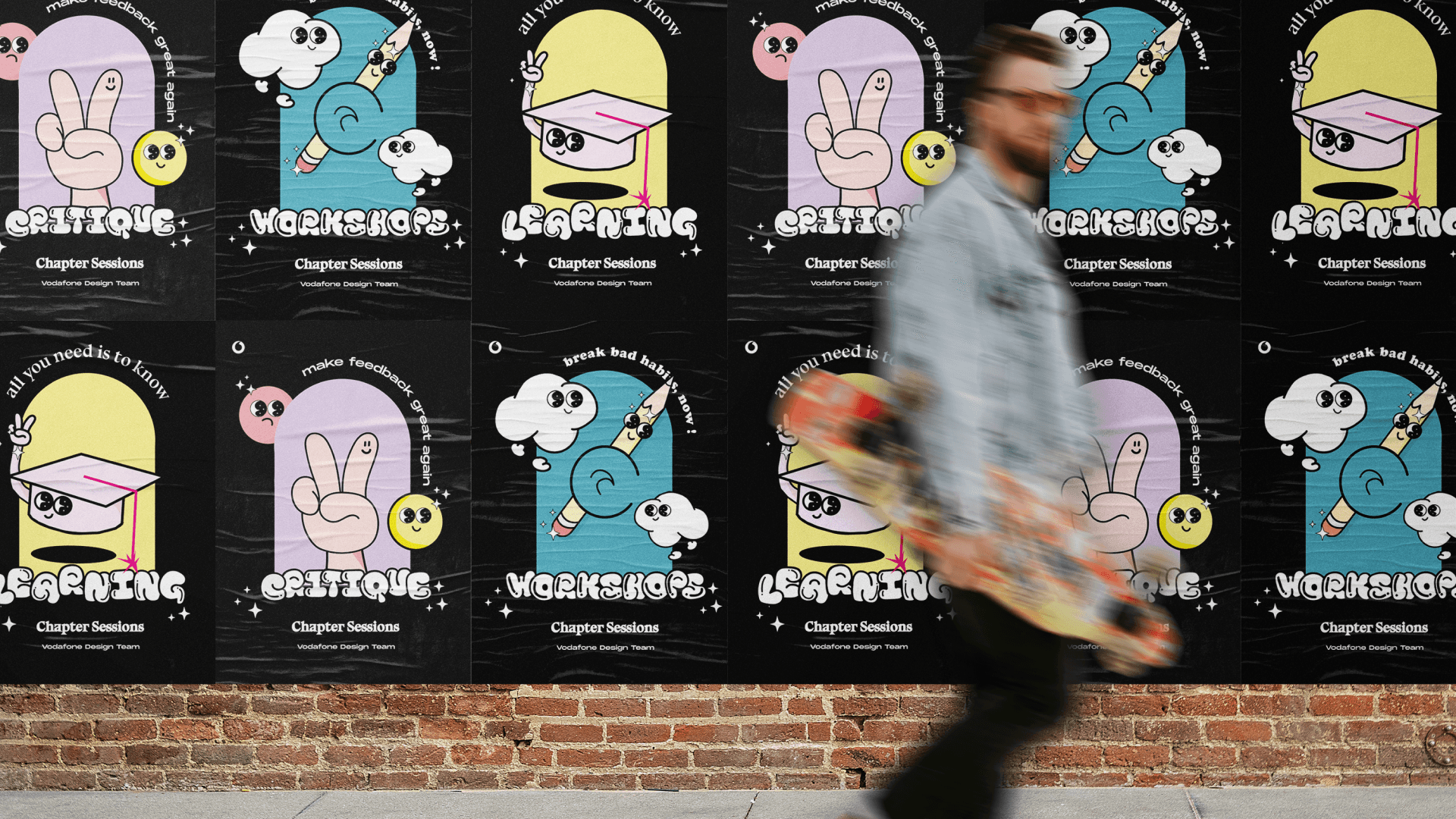
A Strategic Plan to Revitalize the Design Team, Boost Creativity, and Drive Business Impact Through Self-Managed Initiatives
This design team revitalization plan, "Design Reboot: Empower, Grow, Excel," successfully reinvigorated the team without external funding by fostering a culture of collaboration, continuous learning, and quality improvement. In just three months, we increased the Design First Product Score by 25%, improved team collaboration by 10%, and enhanced team skills, with 85% of designers showing significant progress. A self-sustaining and scalable approach, now ready to be implemented across other teams in the organization.
TimeLine
Sep 2022- Sept 2023
Team
Design Team
Tools
Disciplines
Crafting the Plan with the Team
The primary goal of this revitalization plan is to rebuild and empower our design teaam to foster creativity, collaboration, and continuous improvement without the need for additional funding. Through a self-managed initiative, we aim to motivate the team, grow our collective capabilities, and create a strong design culture that enhances our work and aligns with business objectives.
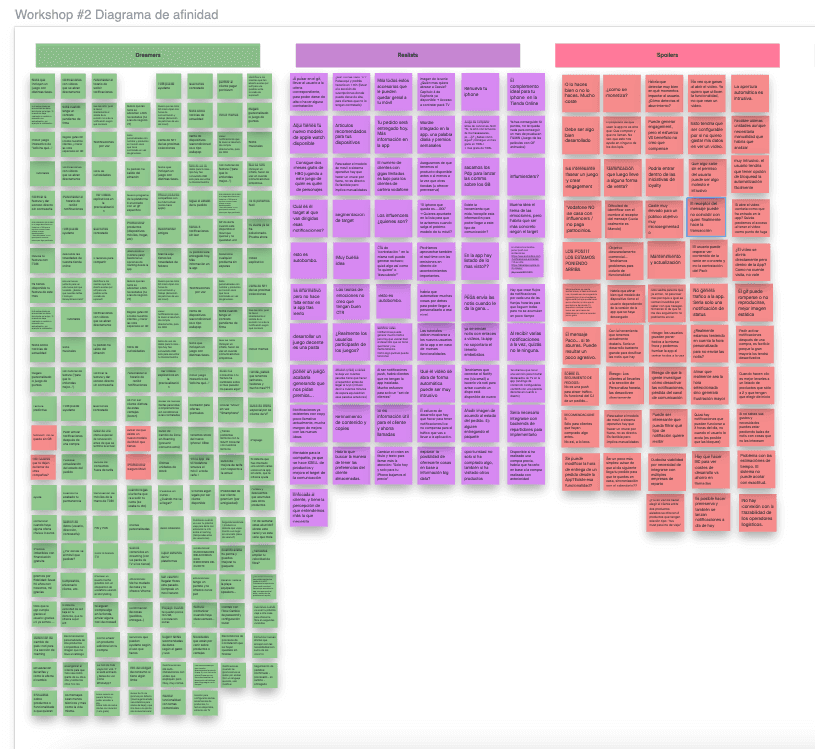
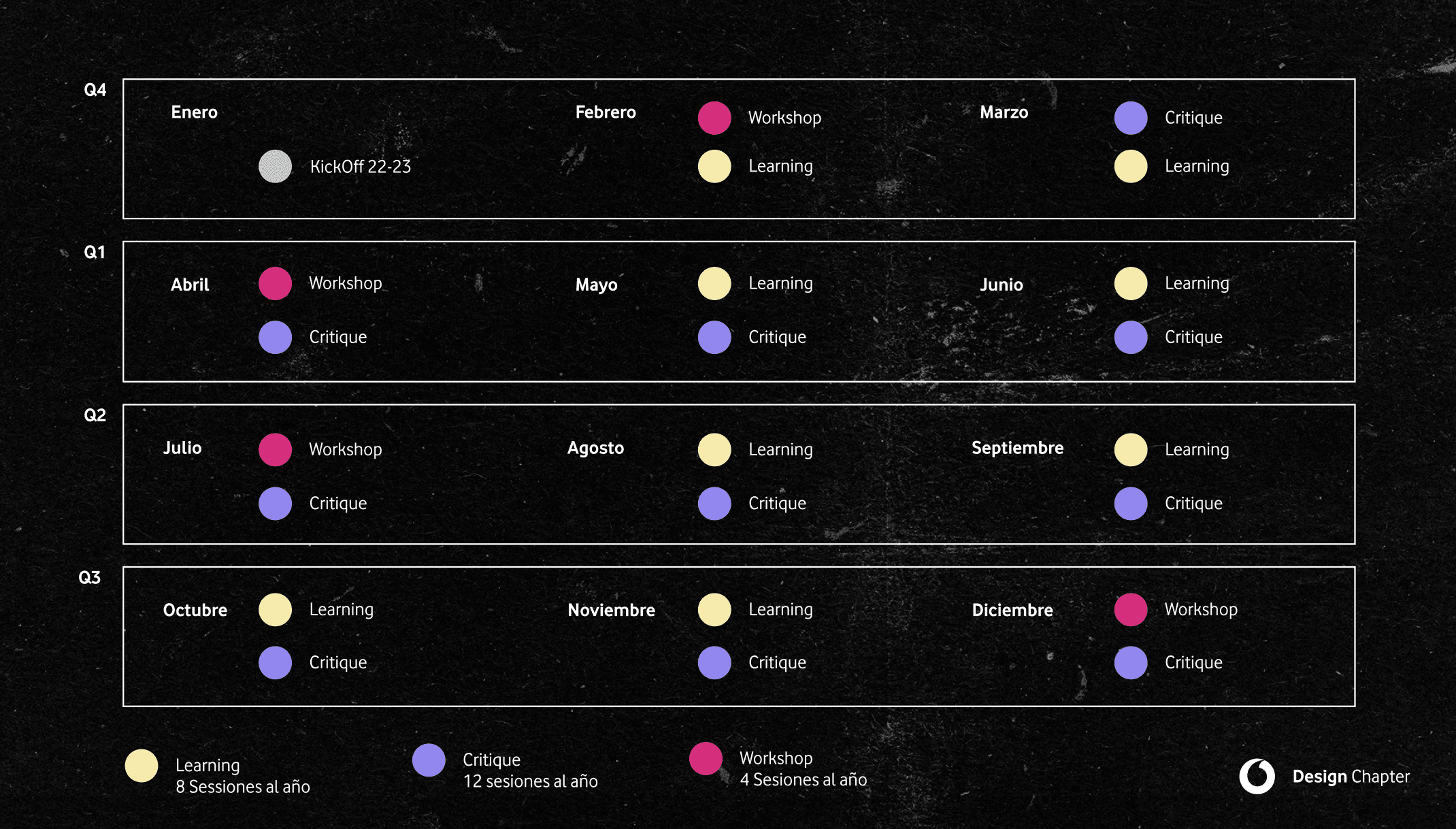
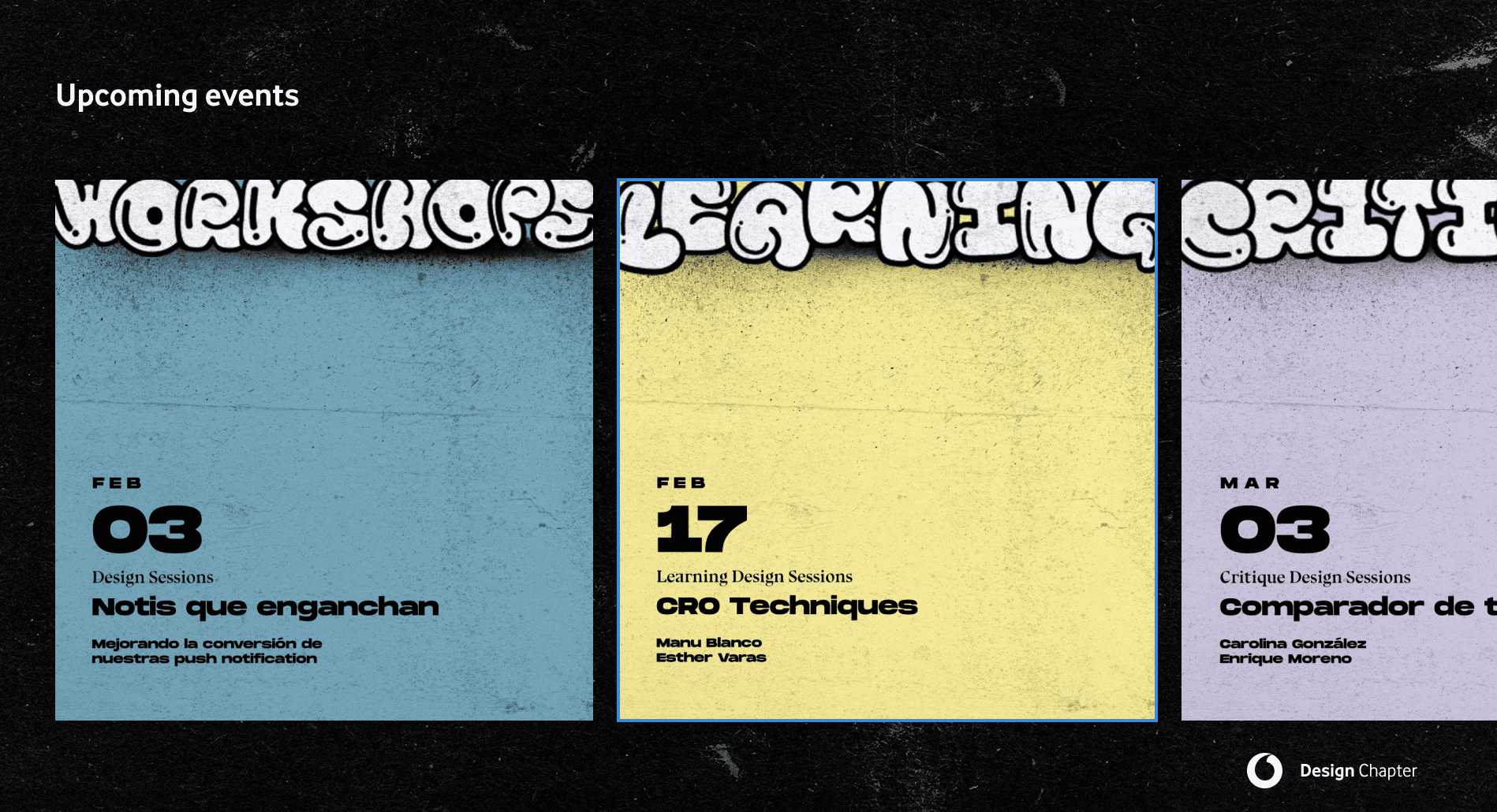
After conducting a series of workshops with the design team, we’ve structured the plan into three key pillars: Design Critiques, Workshops, and Learning Sessions. Each pillar is designed to enhance team cohesion, improve our skills, and ensure that our work directly impacts business performance.

make feedback great again
Objetives
To build a strong design culture through regular feedback and discussion. By incorporating a communal vision into our work, we can elevate the quality of our designs and align them with the most important business initiatives.
What will we focus on?
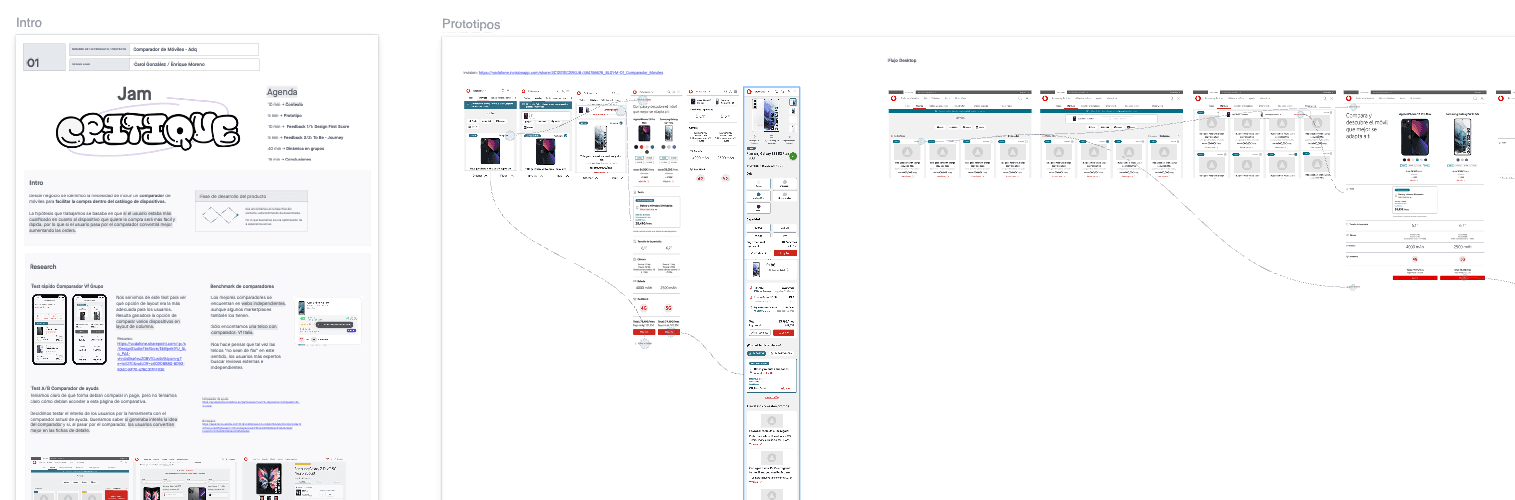
We will critique the Key Chapter Initiatives—the most critical projects tied to our business goals. These initiatives are vital as they have a direct impact on achieving our KPIs.
Who will participate?
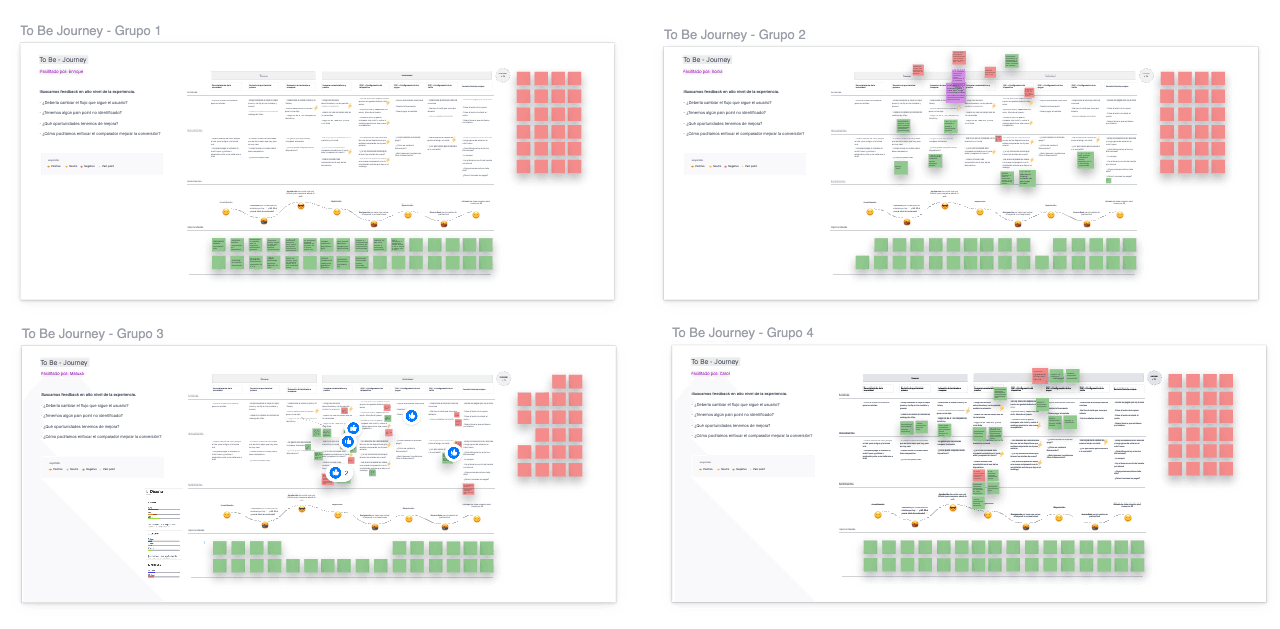
The designer(s) responsible for each initiative will present their work, followed by a team-wide critique session where all Chapter members analyze and provide feedback.
Methodology:
We will use Figma’s Design Critique methodologies as a foundation for these sessions, and apply the Design First principles for project analysis.
How will we measure success?
Actionable feedback
from these critiques will be incorporated into the product backlogs.
Design First Product Score
will measure improvements, with a target to increase the score by 20%.
Objectives
Achieve 30% actionable feedback incorporation from these sessions

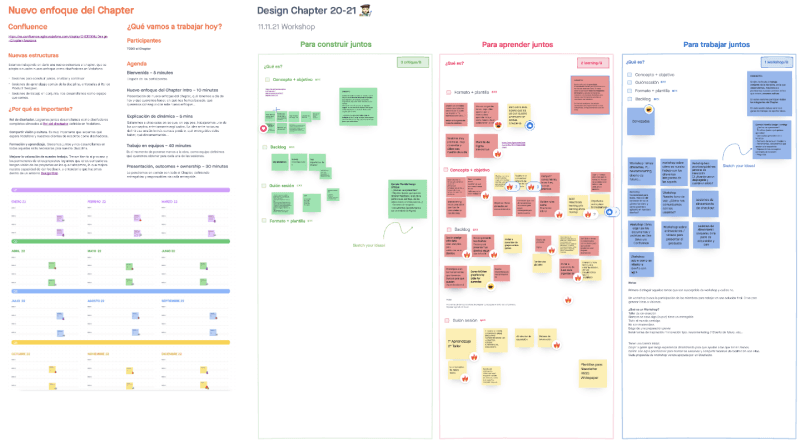
Break bad habits now !
Objetives
To work together as a team and develop new ideas and approaches for growth, both within our Chapter and across Vodafone.
What will we focus on?
Workshops will be a space for generating ideas and exploring new directions for the discipline. These are co-creation sessions, not just lectures, where we aim to collaboratively create actionable improvements.
Who will participate?
Any designer in the Chapter is welcome to join
Methodology:
We will start by giving context and then dive into hands-on dynamics, defined by the session leader. The focus here is on collaboration and creating a positive environment, not on critique, but on mutual improvement.
How will we measure success?
We will gauge the satisfaction and engagement levels from participants, as well as how effectively these sessions improve our collective output and product quality.



all you need is to know
Objetives
To create dedicated sessions for learning and professional growth, focusing on skills critical to the role of a Product Designer at Vodafone.
What will we focus on?
Each session will offer training relevant to the design ecosystem in Vodafone, incorporating knowledge from various disciplines to build a well-rounded skill set.
Who will participate?
Both the designers within the Chapter and experts from other disciplines will contribute as “trainers,” enriching the learning experience with different perspectives.
Methodology:
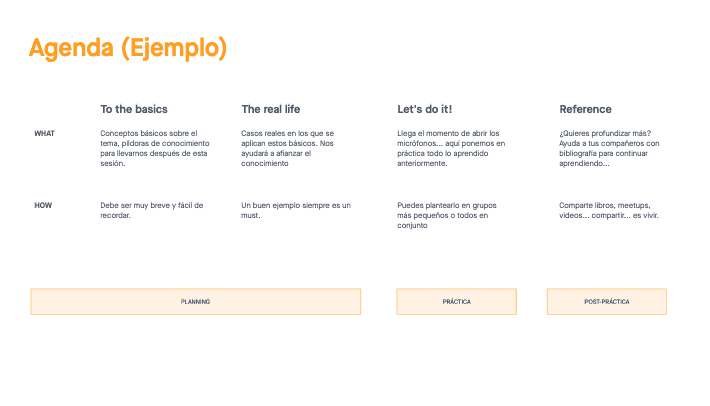
Each session will include a mix of contextual learning (theory and case studies) followed by practical application to solidify knowledge.
How will we measure success?
We’ll assess improvements in our Talent Matrix, which tracks individual skills growth. Additionally, we will use a Learning Session NPS (Net Promoter Score) with a target score of +8, ensuring the content is valuable and actionable for our designers.

Design Critiques
have led to a measurable increase in design quality, with a 25% boost in the Design First Product Score within the first three months.
Workshops
have shown a 10% increase in team collaboration, measured through internal surveys and product satisfaction ratings.
Learning Sessions
Achieve 30% actionable feedback have resulted in a significant skills uplift across the Chapter, with 85% of participants noting improvements in their abilities based on feedback from the Talent Matrix corporation from these sessions
Learnings & Scalability
One of the key takeaways from this initiative is that a self-managed, non-financed approach to revitalizing a design team is not only feasible but highly effective. The focus on collaboration, actionable feedback, and continuous learning has allowed us to create a motivated and high-performing team without additional resources.
This model is now being considered for implementation across other design teams within the organization. By replicating the framework—critique, co-creation workshops, and structured learning—similar results can be achieved, fostering stronger design cultures throughout the company.